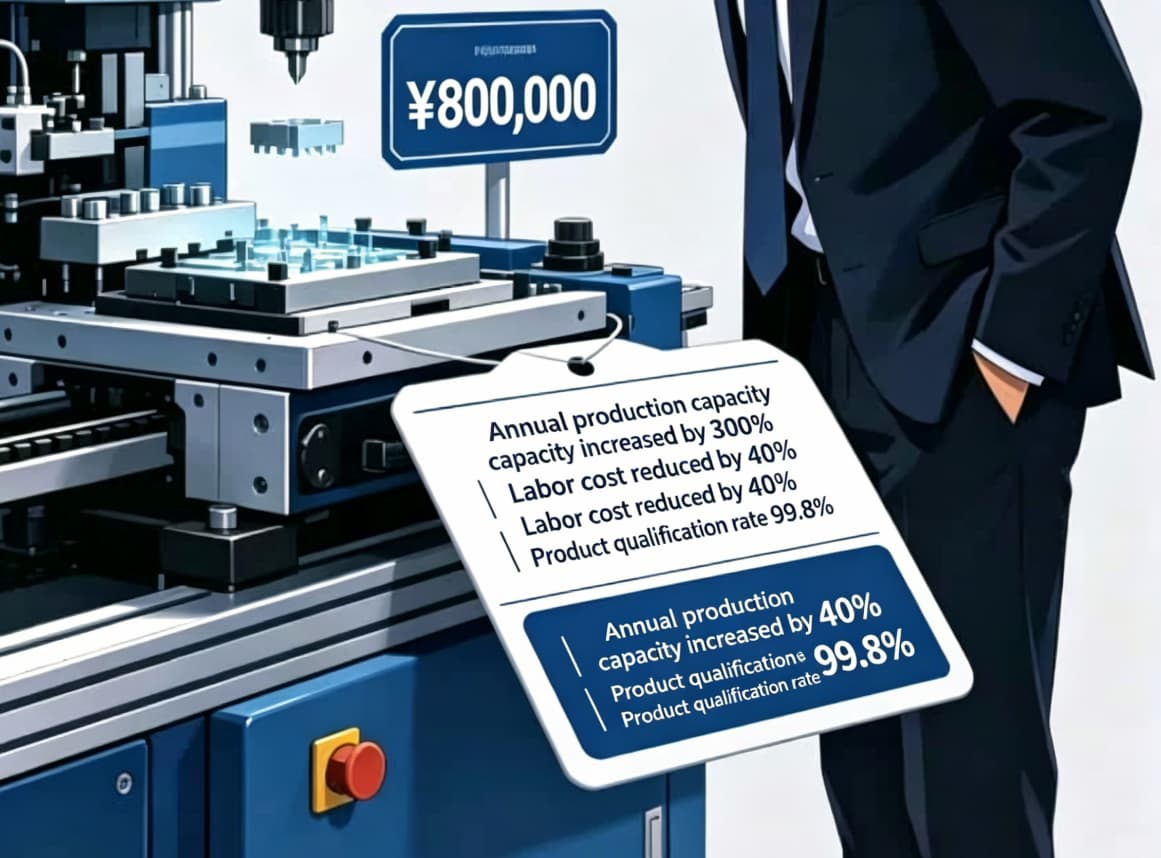
Özel, standart dışı otomasyon makineleri tedarik ederken, fabrika alıcılarının %90'ı ilk olarak aynı soruyu soruyor: "Fiyatı ne kadar? Fiyatı daha da düşürebilir misiniz?"
Fiyat tekliflerini karşılaştırmak ve bütçeleri kontrol etmek mantıklı uygulamalardır. Ancak, yalnızca başlangıç maliyetini düşürmeye odaklanırsanız, muhtemelen satın alma sırasında para tasarrufu sağlayan ancak seri üretim boyunca karınızı azaltan ekipmanlarla sonuçlanırsınız.
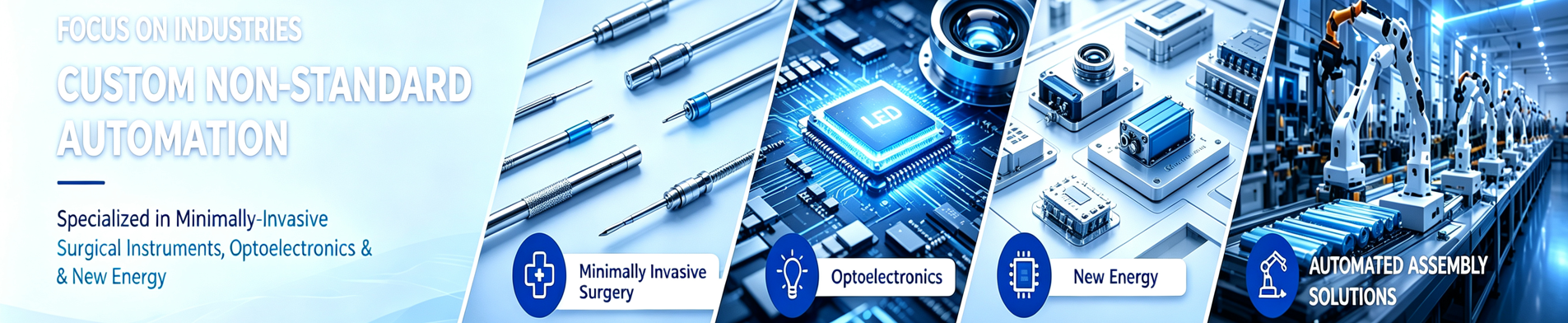
Synrit yıllara dayanan deneyime sahip
standart dışı otomasyon özelleştirmesiİki temel sektöre odaklanarak:
tıbbi sarf malzemeleri Ve
Optoelektronik aydınlatma. Teslimat yapıyoruz.
özel tasarım montaj üretim hatları Dünya çapındaki fabrikalar için. Tamamlanan binlerce projeden yola çıkarak, sayısız üreticinin düşük fiyatlı tedarik tuzaklarına düştüğüne şahit olduk. Makine maliyetlerinden on binlerce tasarruf etmek için, sürekli üretim hattı duruşları, büyük miktarda hammadde israfı, gecikmiş satış sonrası hizmetler ve genişletilemeyen ekipmanlar gibi sorunlarla karşılaşıyorlar; bu da yılda yüz binlerce ek kayba yol açıyor.
Bu makale, dünya genelindeki fabrika yöneticilerini, satın alma sorumlularını ve işletme sahiplerini hedeflemektedir. Ucuz özel makinelerin seçilmesinin gizli risklerini derinlemesine analiz eder ve istikrarlı, iyi uyarlanmış özel otomasyon üretim hatlarını seçmenize yardımcı olacak pratik, çok boyutlu bir değerlendirme standardı sunar.
I. Düşük Maliyetli Özel Üretim Makineler Sadece Başlangıç Maliyetlerinden Tasarruf Sağlar, Gizli Maliyetler Yıllık Karınızı Eritir
Satın alma ekiplerinin çoğunda bir yanlış anlama var: Otomasyon ekipmanı tek seferlik sabit varlık yatırımıdır, bu nedenle fiyat ne kadar düşükse o kadar iyidir.
Aslında, özel üretim hatları, fabrikanızın 3-5 yıl boyunca seri üretiminin temelini oluşturur. Üretim maliyetlerini düşürmek için, ucuz makine tedarikçileri donanım, özelleştirilmiş süreçler ve destek hizmetlerinde tasarruf yapmaya çalışarak birçok görünmez operasyonel kayba yol açarlar:
- Kalitesiz temel bileşenler sık sık arızalara ve büyük iş aksaması kayıplarına yol açar.
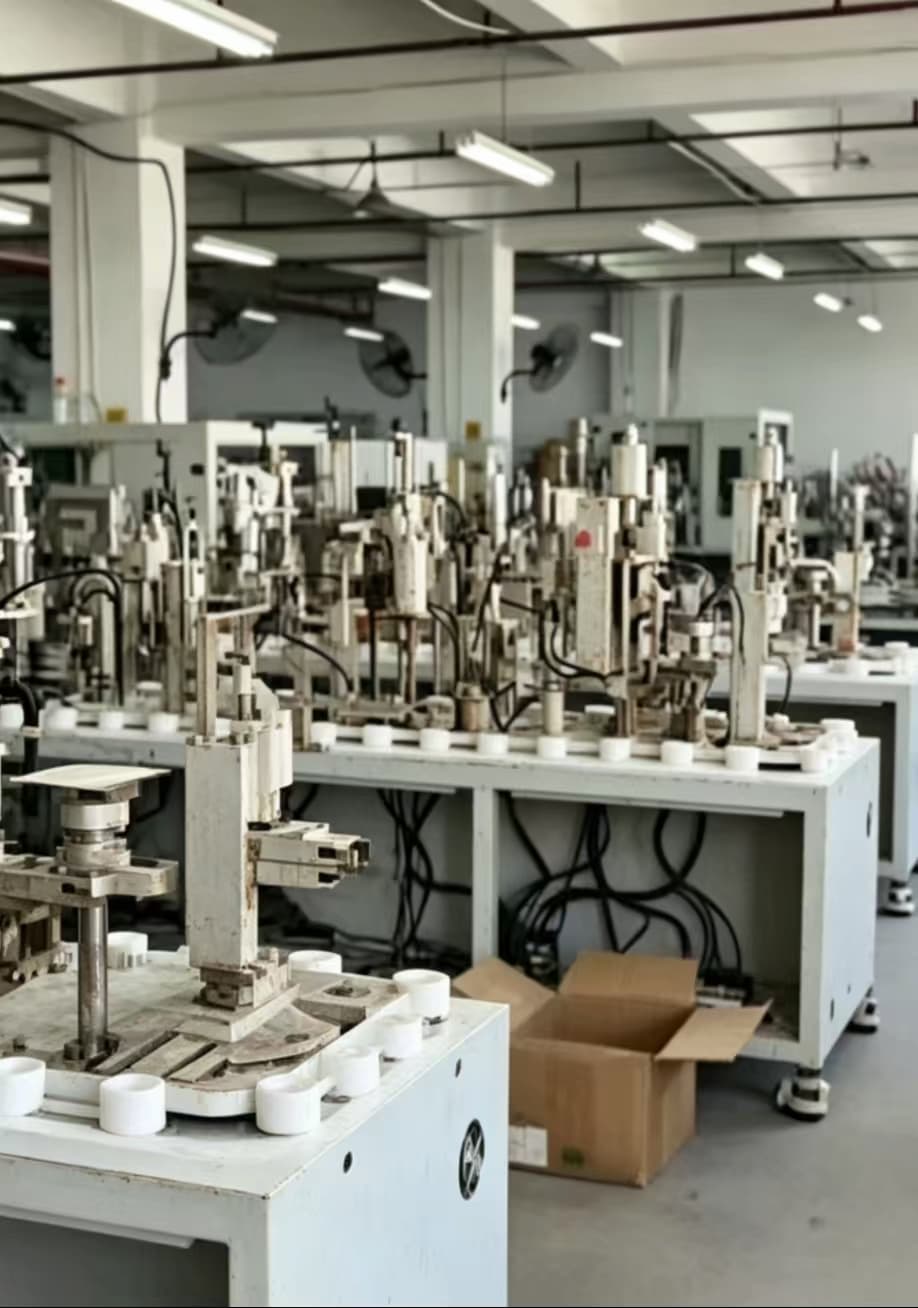
Düşük fiyatlı makinelerde genellikle markasız silindirler, düşük kaliteli sensörler ve basit elektrik kontrol sistemleri kullanılır; yüksek hassasiyetli görüntüleme veya hava kaçağı test modülleri ise çıkarılır. Üretime alındıktan sonra sıklıkla malzeme sıkışmasına, sistem hatalarına veya bileşen hasarına uğrayarak üretim hattının tekrar tekrar durmasına neden olurlar.
Her üretim durdurması, çalışma saatlerinin boşa gitmesine ve günlük üretimin azalmasına neden olur. Daha da kötüsü, geciken siparişler tazminat cezalarına yol açacak ve uzun vadeli iş birliği itibarınıza zarar verecektir. İhracata yönelik fabrikalar için bu durum, yurtdışı müşteri şikayetleri ve toplu sipariş kayıpları riskini de beraberinde getirir.
- Özelleştirme imkanı olmayan genel takım tezgahları, sürekli olarak düşük verim oranlarına neden olur.
Ucuz makineler, ürün boyutlarına, hassas montaj toleranslarına ve tıbbi sarf malzemeleri veya optoelektronik aydınlatma ürünlerine özgü test standartlarına göre bire bir süreç optimizasyonu yapılmadan, evrensel standart çizimlere göre üretilir.
Otomasyon yükseltmesinin temel amacı israfı azaltmak ve ürün kalitesini istikrara kavuşturmaktır; ancak düşük maliyetli özel üretim hatları yalnızca %93-95'lik bir verimlilik oranı sağlayabilmektedir. Tıbbi sarf malzemeleri son derece hassasiyet ve güvenlik gerektirir; küçük montaj sapmaları tüm ürün partilerinin hurdaya çıkmasına neden olabilir. Optoelektronik ürünler, görünüm ve güç açma testleri için katı standartlara sahiptir ve basit yarı otomatik montaj kolayca kozmetik kusurlar yaratabilir. Sadece birkaç ay içinde, yeniden işleme ve israf edilen hammaddelerin maliyeti, makine fiyat tekliflerinde tasarruf ettiğiniz parayı çok aşacaktır.
- Basitleştirilmiş teslimat hizmetleri, seri üretim lansmanını süresiz olarak geciktiriyor.
Ucuz makinelerin tedarikçileri, standartlaştırılmış yerel veya ihracat teslimat sistemleri olmadan yalnızca temel mekanik montajı tamamlarlar. Ekipmanlar dayanıksız koruyucu ambalajlarla gelir, bu nedenle hassas lensler ve bağlantı parçaları nakliye sırasında çarpışma ve nem hasarına karşı savunmasızdır. Teknik belgeler eksiktir; eksiksiz kurulum çizimleri, hata ayıklama parametreleri ve çok dilli kullanım kılavuzları bulunmamaktadır. Yerinde kurulum, devreye alma veya operatör eğitimi için profesyonel mühendisler gönderilmeyecektir.
Ekipman, teslimattan çok sonra bile istikrarlı üretim standartlarına ulaşamayacak ve tüm fabrikanızın üretim programını aksatacaktır. Siparişlerin gecikmesinden kaynaklanan kayıplar hesaplanamaz.
Satış sonrası destek sisteminin olmaması, üretim hatalarının desteklenmemesine yol açar.
Düşük fiyatlı siparişler, uzaktan teknik bakım modülleri, stokta yedek parça envanteri veya özel yerinde servis ekipleri olmadan neredeyse tek seferlik işlemlerdir. Makine arızalandığında, uzaktan sorun giderme mümkün değildir ve mühendislerin yerinde ziyaret ayarlaması on gün veya daha fazla sürebilir; bu da tüm üretim hattını durdurur ve düzenli seri üretimi askıya alır.
Esnek genişleme kapasitesinin olmaması, 2-3 yıl içinde geri alımı zorunlu kılıyor.
Ucuz makineler, sabit çerçevelere ve modüler genişleme alanı bulunmayan tek takım yapısına sahiptir. Daha sonra test istasyonları eklemeyi, birden fazla ürün modeli arasında geçiş yapmayı veya tam otomatik süreçlere geçmeyi planlıyorsanız, mevcut ekipman değiştirilemez ve ortadan kaldırılıp yenisiyle değiştirilmesi gerekir; bu da gereksiz tekrarlanan yatırımlara yol açar.
II. Gerçek Proje Örneği: Makine Maliyetinden 14.000 Dolar Tasarruf Edildi, Bir Yıl İçinde 42.000 Dolardan Fazla Zarar Edildi
Bir optoelektronik aydınlatma üreticisi, ekipman bütçesini kısarak genel amaçlı, düşük maliyetli özel bir montaj hattı seçti ve ilk satın alma aşamasında 14.000 dolar tasarruf sağladı. Ancak seri üretime başlandıktan hemen sonra sürekli arızalar ortaya çıktı:
- Özelleştirme yapılmayan genel takım kullanımı, yetersiz montaj hassasiyetine ve sürekli yüksek hata oranlarına yol açarak, hurdaya ayrılan hammaddeler ve yeniden işleme nedeniyle aylık 2.800 doların üzerinde kayba neden oldu;
- Kalitesiz mekanik şanzıman bileşenleri, yapısal istikrarın zayıf olmasına neden olarak, her hafta 2-3 kez bakım için aracın durdurulmasını gerektiriyordu;
- Yetersiz taşıma ambalajı, hassas görüntü inceleme parçalarına zarar vererek, değiştirme ve onarım masraflarında binlerce dolar daha fazla maliyete yol açtı;
- İstikrarsız üretim, küresel ölçekteki önemli müşterilerden gelen büyük ölçekli ve uzun vadeli sipariş taleplerini karşılayamadı ve bu da istikrarlı iş birliği fırsatlarının kaybedilmesine yol açtı.
Yıllık tüm kayıplar kapsamlı bir şekilde hesaplandıktan sonra, makine fiyatından tasarruf edilen 14.000 doların, 42.000 dolardan fazla gizli kayıp tarafından fazlasıyla aşıldığı görüldü. Düşük fiyatların peşinden körü körüne koşmak, nihayetinde en yüksek kapsamlı uzun vadeli maliyete sahip üretim ekipmanını satın almak anlamına gelir.
III. Özel Otomasyon Makineleri için 6 Boyutlu Bilimsel Karşılaştırma Standardı — Sadece Birim Fiyata Göre Değerlendirmeyi Bırakın
Profesyonel alıcılar asla sadece makine fiyat tekliflerini karşılaştırmazlar. Tıbbi ve optoelektronik sektörlerinin özelleştirilmiş taleplerine uygun olarak, tüm yaşam döngüsü değerini şu 6 temel kriter üzerinden değerlendirirler:
1. Sektöre Özel Kişiselleştirme Yeteneği (Temel Değerlendirme Maddesi)
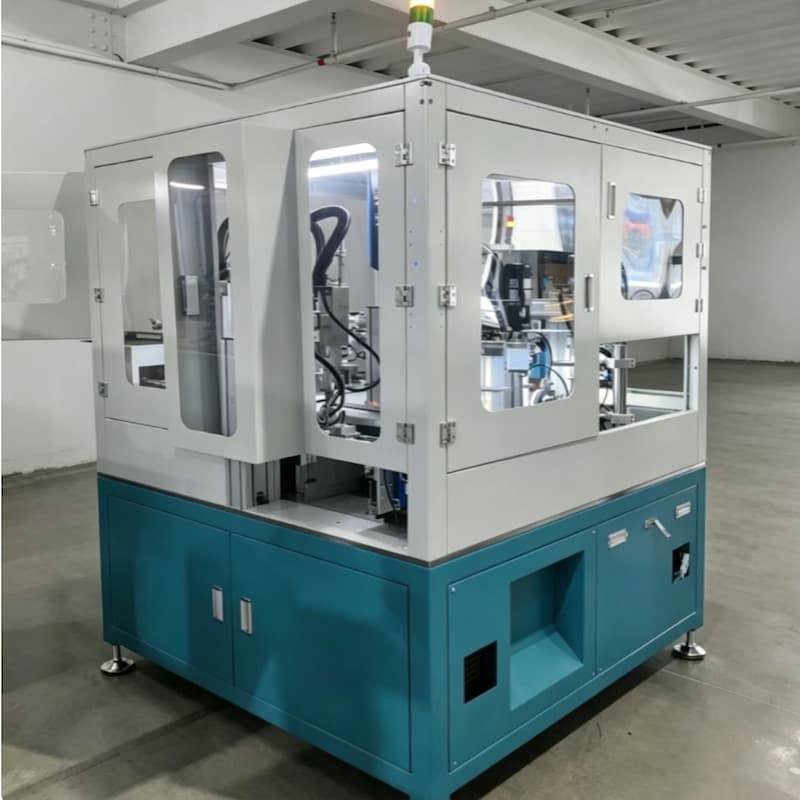
Tıbbi sarf malzemeleri (trokarlar, ligasyon klipsleri, insüflasyon valfleri vb.) ve optoelektronik aydınlatma ürünleri (spot ışıkları, panel ışık bileşenleri vb.) için yapısal özelliklere, montaj toleranslarına ve endüstri test standartlarına göre bire bir özelleştirme sağlıyoruz. Makinenin hedeflediğiniz günlük üretim ve verim oranına istikrarlı bir şekilde ulaşabileceğini doğrulayın ve çok özellikli küçük parti siparişlerinin esnek üretimini destekleyin.
2. Komple Makine Donanım Yapılandırma Standardı
Elektrik kontrol sistemleri, servo motorlar, pnömatik bileşenler, sensörler, görüntü inceleme ve iletim parçalarının marka modellerini doğrulayın. Birinci sınıf orijinal bileşenler, düşük arıza oranlarının, uzun hizmet ömrünün ve yüksek hassasiyetin temelini oluşturur. Bu arada, eksiksiz destekleyici teslimat paketlerini onaylayın: standartlaştırılmış darbeye dayanıklı ambalaj, eksiksiz çok dilli teknik çizimler ve kılavuzlar, yerinde mühendis devreye alma ve özel operatör eğitimi.
3. Kapsamlı Küresel Satış Sonrası Destek Sistemi
Üretim kesintisi risklerini en aza indirmek için, resmi tam makine garantisi süresini, 7/24 çevrimiçi uzaktan bakımı, aşınma parçalarının küresel hızlı teslimat stokunu, yerinde servis mühendislerinin yanıt süresini ve katma değerli yıllık bakım paketlerini açıklığa kavuşturun.
4. Esnek Makine Modifikasyonu ve Genişletme Kapasitesi
Tüm makineler modüler, özelleştirilmiş bir tasarıma sahiptir ve bu sayede birden fazla ürün modeli arasında hızlı geçiş sağlanır. Yeni ürün üretimini desteklemek için daha sonra ek montaj, hava sızdırmazlığı ve görünüm test istasyonları eklenebilir; bu da makine kullanım ömrünü önemli ölçüde uzatır ve kısa vadeli tekrarlanan tedarik ihtiyacını ortadan kaldırır.
5. Uzun Vadeli Kapsamlı Operasyonel Maliyet
Yıllık işçilik maliyeti tasarruflarını, daha yüksek verimden kaynaklanan hammadde israfındaki azalmayı, arıza sürelerinden kaynaklanan üretim kayıplarını ve yıllık bakım sarf malzemesi giderlerini hesaplayın. Bunları ilk makine yatırımıyla birleştirerek doğru 3-5 yıllık yatırım getiri döngüsünü elde edin.
6. Sektörel Proje Teslim Deneyimi
Hem tıbbi hem de optoelektronik özel otomasyon alanlarında derin uzmanlığa sahip ve ilgili sektörlerde çok sayıda seri üretim vakası bulunan tedarikçilere öncelik verin. Uzun vadeli seri üretimle doğrulanmış süreç çözümleri, teslimattan sonra düşük performans gösteren ekipman riskini önemli ölçüde azaltır.
IV. Sonuç: Gerçek Maliyet-Performans = Özel Kişiselleştirme + İstikrarlı Dayanıklılık + Uzun Vadeli Güvenilir Destek
Özel otomasyon tedarikinin temel mantığı şudur: düşük başlangıç fiyatı yalnızca kısa vadeli tasarruf sağlarken, sektöre özel özelleştirilmiş süreçler, dayanıklı donanım ve eksiksiz destek hizmetleri, işletmeniz için yıllar boyunca istikrarlı karlar garanti eder.
İster tıbbi sarf malzemeleri için hassas montaj hatlarına, ister optoelektronik aydınlatma bileşenleri için özel ekipmanlara ihtiyacınız olsun, makul bir başlangıç yatırımı üç uzun vadeli fayda sağlar: istikrarlı hedef üretim, ürün israfının sıkı kontrolü, küresel müşterilerden sürdürülebilir büyük siparişler ve sık sık yeniden satın alma gerektirmeyen esnek ekipman yükseltmeleri. Üreticiler için en uygun maliyetli yatırım seçeneği, 3-5 yıllık yaşam döngüsü maliyetinin tamamını hesaplamaktır.
Sorgulama ve Dönüşüm CTA'sı
Birden fazla özel otomasyon tedarikçisinden fiyat teklifi karşılaştırıyorsanız ve düşük maliyetli çözümlerin gizli risklerini belirlemekte zorlanıyorsanız veya tıbbi sarf malzemeleri ve optoelektronik aydınlatma seri üretimi için özel otomasyon yükseltme planlarına ihtiyacınız varsa, ürün türünüzü, hedef günlük üretim miktarınızı ve atölye düzeni gereksinimlerinizi bize iletin. Teknik ekibimiz, farklı tedarikçi çözümlerinin ücretsiz karşılaştırmalı analizini, tam yaşam döngüsü yatırım getirisi hesaplamasını ve özel tedarik riskinden kaçınma rehberliğini sunmaktadır.





 IPv6 AĞ DESTEKLİ