
mesaj bırakın
Ürünlerimizle ilgileniyorsanız ve daha fazla bilgi edinmek istiyorsanız, lütfen buraya bir mesaj bırakın, en kısa sürede size cevap vereceğiz.
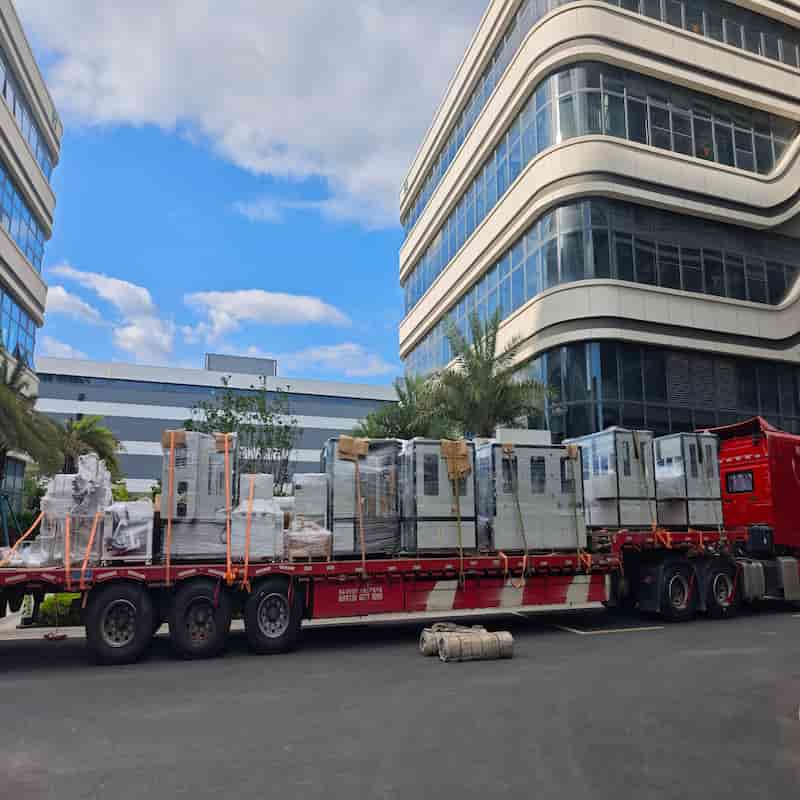
Son zamanlarda, özel olarak tasarlanmış standart dışı otomatik montaj hatlarımızdan iki tanesi komple makine montajını ve sevkiyata hazır hale getirilme işlemlerini tamamladı. Güvenli bir şekilde taşındıktan sonra, ekipmanlar müşterinin üretim tesisine ulaştı, yerinde konumlandırma ve kurulum işlemleri tamamlandı ve resmi olarak üretim öncesi devreye alma aşamasına girdi.
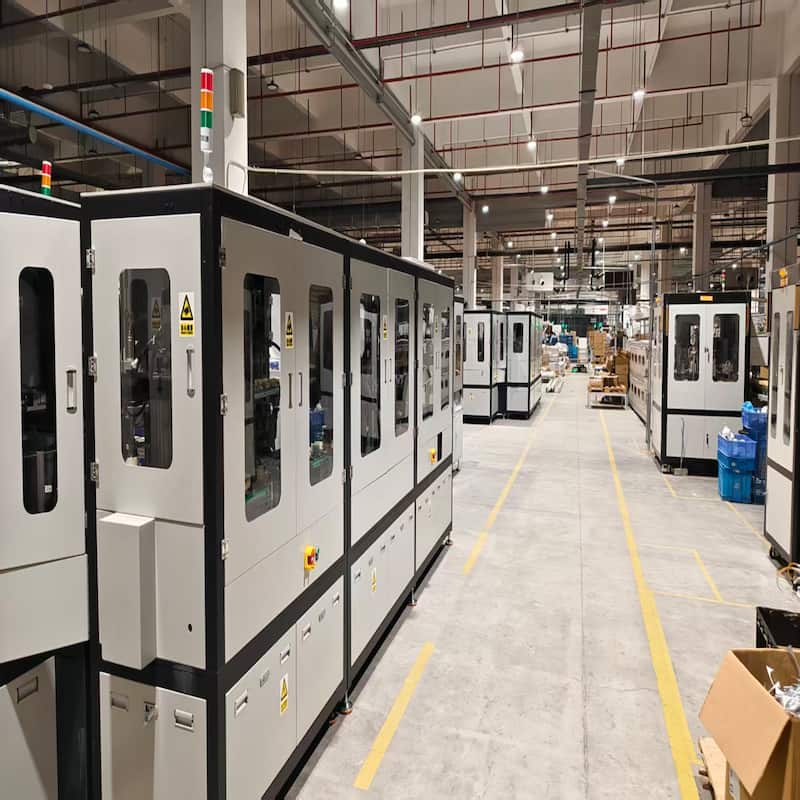
Bu proje, müşterinin gerçek üretim koşulları ışığında tamamen özelleştirilmiş olup, ürün montaj süreçlerine, kapasite hedeflerine ve atölye düzenine odaklanmaktadır. Gereksinim araştırması, çözüm gösterimi, yapısal tasarım, bileşen işleme, komple makine montajı ve test, lojistik sevkiyat ve yerinde kurulumu kapsayan tam kapsamlı bir hizmet sunmaktadır. Genel standart ekipman şablonları kullanmak yerine, müşterinin özel montaj gereksinimleri için hedefli yapısal optimizasyonlar uygulanarak, ekipman ve üretim süreçleri arasında derin bir uyum sağlanmakta ve gerçek dünyadaki üretim sorunları etkili bir şekilde çözülmektedir.
Geleneksel montaj yöntemlerinde, çok sayıda işlem manuel çalışmaya dayanır ve bu da sürekli üretim zorluklarına yol açar: tekrarlayan montaj pozisyonlarında yüksek personel devri, işgücü yönetimi maliyetlerini yüksek seviyede tutar; manuel işlemlerdeki bireysel farklılıklar, tutarlı nihai ürün montajını garanti etmeyi zorlaştırır ve bu da doğrudan ürün verimliliğini etkiler; manuel üretimin kapasite sınırları vardır, bu da sipariş artışları sırasında kapasite genişletmeyi zorlaştırır ve işletme büyümesini kısıtlar.
Özel otomatik montaj hatları devreye alındıktan sonra, tekrarlayan birçok manuel iş ortadan kaldırılabilir ve operatörler sıkıcı mekanik montaj görevlerinden kurtulabilir. Kararlı mekanik aktüatörler, çalışma standartlarını birleştirir, insan hatalarından kaynaklanan kalite risklerini önler ve bitmiş montajların tutarlılığını artırır. Ekipman, genel üretim verimliliğini büyük ölçüde artırmak için istikrarlı çalışma döngülerini korur. İşletmelerin üretimde kalite iyileştirmesi, maliyet düşürme ve verimlilik kazanımları elde etmelerine yardımcı olur ve üretim süreçlerini standardizasyon ve zekaya doğru yönlendirir.
Şu anda ekipmanın yerinde kurulumu tamamlanmıştır. Teknik servis ekibimiz yerinde devreye alma işlemini gerçekleştirecektir. Müşterinin gerçek üretim malzemelerini kullanarak, işletme parametrelerini madde madde doğrulayacak, ekipman iş akışlarını optimize edecek, tüm montaj göstergelerini kontrol edecek ve müşterinin üretim standartlarına sıkı sıkıya uygun olarak tam makine validasyonunu tamamlayacağız. Bu, istikrarlı ve güvenilir seri üretimi sağlar ve müşterinin kapasite artışı için sağlam bir donanım temeli oluşturur.
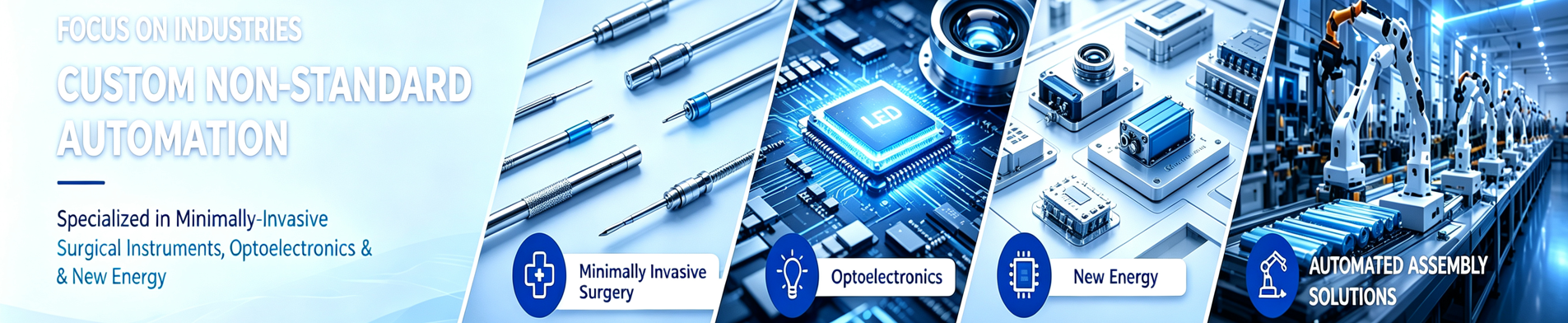
Yıllardır süregelen Ar-Ge birikimimiz sayesinde, standart dışı otomasyon alanında iki temel alana odaklanıyoruz: minimal invaziv cerrahi aletler ve optoelektronik. Bu alanlarda çeşitli sektörlere özel otomasyon çözümleri sunuyoruz.
Müşterinin sektöründen bağımsız olarak, çalışmalarımızı her zaman ürün süreçlerine, fabrika koşullarına ve kapasite hedeflerine dayandırıyoruz. Çözüm tasarımından, ekipman Ar-Ge ve üretiminden teslimat, kurulum ve yerinde devreye almaya kadar tek elden hizmetler sunuyor ve müşterilerimiz için özel otomasyon çözümleri geliştiriyoruz.
Gelecekte, teknik yeteneklerimizi sürekli olarak güçlendirecek ve daha fazla üreticinin istikrarlı ve güvenilir otomasyon ekipmanlarıyla üretimlerini yükseltmelerini sağlayacağız. Özel otomasyon hatlarına veya üretim hattı iyileştirmelerine yönelik talepleriniz varsa, pratik akıllı üretim çözümlerini keşfetmek için lütfen bizimle iletişime geçin.
SSS
S1: Komple proje hizmeti iş akışında hangi aşamalar yer almaktadır? C: Gereksinim tespiti, çözüm gösterimi, yapısal tasarım, bileşen işleme, komple makine montajı ve test, lojistik sevkiyat, yerinde kurulum ve devreye alma doğrulaması dahil olmak üzere tam döngülü, tek elden, kapalı devre hizmet sunmaktadır.
S2: Yerinde devreye alma işlemi normalde ne kadar sürer? A: Devreye alma süresi, ürün prosesinin karmaşıklığına ve yerinde atölye koşullarına bağlıdır. Teknik ekibimiz, parametre kalibrasyonunu ve numune doğrulamasını tamamlamak ve ekipmanın teslimattan önce müşteri spesifikasyonlarını karşıladığından emin olmak için yerinde çalışacaktır.
S3: Daha sonraki işletme aşamasında kapasite artırımı ve üretim hattı iyileştirmesi mümkün müdür? C: Evet. Tasarım aşamasında mekanik genişleme payı ayrılmıştır. Artan sipariş hacmine uyum sağlamak için iş istasyonu eklenmesi, çevrim süresinin iyileştirilmesi ve hat modifikasyonu gerçekleştirilebilir.
S4: Mevcut üretim hatları yeni ürün üretiminde doğrudan kullanılabilir mi? C: Değerlendirme, eski ve yeni ürünler arasındaki süreç benzerliğine göre yapılacaktır. Hafif farklı ürünler için takım fikstürlerinde değişiklik yapılarak yeniden kullanım sağlanabilir; süreç açısından büyük farklılıklar gösteren ürünler için ise tamamen yeni, özel hatlar gerekecektir.



 IPv6 AĞ DESTEKLİ
mesaj bırakın
WeChat/WhatsApp'a tarayın :